Drone Photography for Wildlife: Legal Guidelines in India | Wild by Nature

A Morning in the Wild… and a Drone That Never Took Off
The forest was just waking up. Mist curled above the grasslands, and somewhere in the distance, a herd of elephants moved like shadows through the trees. A wildlife photographer stood at the edge of a buffer zone, imagining the perfect aerial shot.
That drone never took off — not because of technical failure, but because in India, flying a drone in wildlife areas isn't just difficult. It's often illegal.
Why Drone Wildlife Photography Is So Powerful


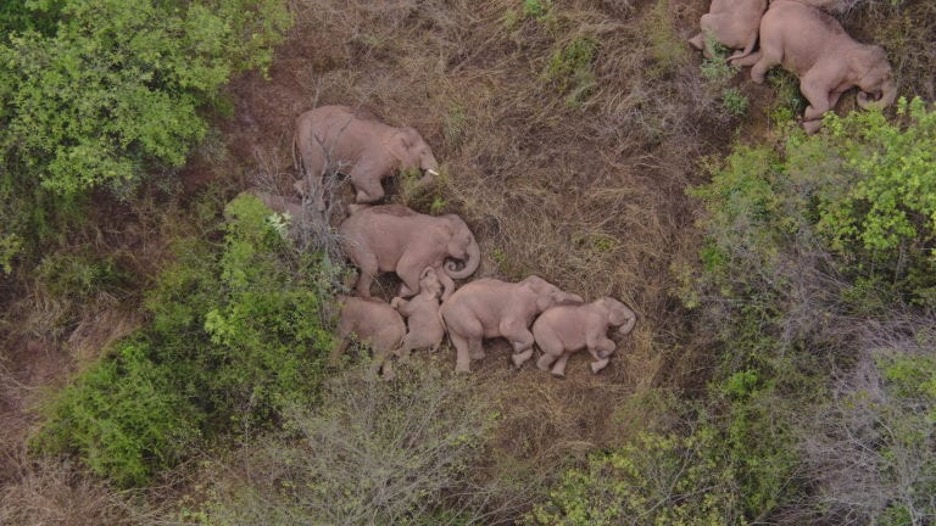
From above, landscapes transform. Forests become living textures, rivers turn into silver veins, and animal movements reveal hidden patterns. For conservationists, drones offer habitat monitoring, anti-poaching surveillance, and population tracking.
But here's the truth most beginners miss: what drones can capture is not always what the law allows.
The Legal Backbone: Drone Rules in India
India regulates drones under the Drone Rules, 2021, governed by the Directorate General of Civil Aviation (DGCA).
These rules apply whether you are:
● A hobbyist
● A travel creator
● A wildlife filmmaker
● A researcher
Understanding Drone Categories (Why Your Drone Type Matters)
Category | Weight | What It Means |
Nano | ≤ 250g | Least regulated, but still restricted in wildlife zones |
Micro | 250g–2kg | Requires registration |
Small & Above | >2kg | Needs license + approvals |
Important:Even the smallest drone cannot be flown in protected wildlife areas without permission.
The Digital Sky System: Your Drone’s Gatekeeper
Before any legal flight, your drone must interact with India’s Digital Sky Platform.
Key Requirements:
● UIN (Unique Identification Number) for drones above 250g
● NPNT compliance (No Permission, No Takeoff)
● Airspace approval before flying
Think of it as a digital lock:👉 No clearance = No flight.
Airspace Zones Explained Simply
● Green Zone → Allowed (limited height, no permission needed)
● Yellow Zone → Permission required
● Red Zone → Strictly prohibited
⚠️ Wildlife areas often fall into restricted or specially controlled zones, regardless of DGCA classification.
The Real Barrier: Wildlife Protection Laws


Don't Forget the Forest Laws
Most drone users follow aviation rules — but forget environmental laws, which override drone permissions in protected areas. Drones are banned in National Parks, Wildlife Sanctuaries, and Conservation Reserves because they stress animals, disrupt breeding cycles, and can even trigger aggression.
Breaking these rules can mean fines of ₹50,000–₹1,00,000+, drone confiscation, and legal action under the Wildlife Protection Act and Environmental Protection Act.
Common Mistakes to Avoid
● "It's a small drone, so it's fine" — Size doesn't matter in protected zones.
● "I saw it on Instagram" — Social media is not legal proof.
● "I'm outside the park" — Buffer zones can still be restricted.
You Don't Need a Drone to Tell a Great Story
Telephoto lenses, safari-based shooting, ground-level storytelling, and behavioral photography have produced some of the most celebrated wildlife images ever taken — all without a drone.

The Shot You Don't Take
That photographer packed the drone away and picked up a camera instead. Hours later, from the ground, they captured a quiet moment: an elephant and her calf. No noise, no intrusion, no disturbance.
Sometimes the most powerful wildlife stories aren't captured from above. They're captured with restraint.


Comments